
Response to overcrowding in Seoul’s Itaewon district was delayed on Halloween weekend despite emergency calls and requests for extra police support.
SEOUL—South Korea deepened its scrutiny of the police response to a lethal crowd crush during Halloween festivities in Seoul, with newly released transcripts showing delays in treating the injured as emergency responders and bystanders on the scene repeatedly called the police asking for more back up.
The transcripts, released by two South Korean lawmakers, show dozens of panicked emergency calls made as people got crushed in a pile on Oct. 29, as well as hundreds of radio-communication exchanges between first responders and dispatchers throughout the night.
They highlight the stalled deployment of a variety of emergency personnel, when 156 Halloween revelers were killed and 197 injured on an overcrowded alleyway in Seoul’s clubbing district of Itaewon. Law-enforcement officials have admitted to shortcomings in the emergency response.
Witnesses said they saw few police throughout the night and a lack of personnel on-hand to deal with victims. No single entity had been tasked in advance with managing what was expected to be a sizable crowd on the first Halloween weekend after the country’s Covid-19 restrictions had largely been relaxed.
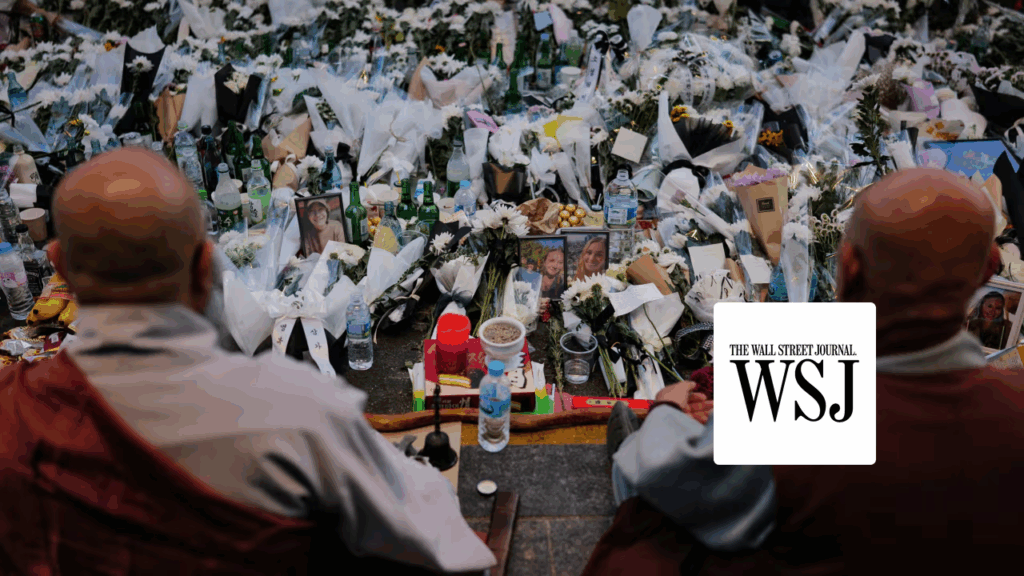
Officials who are part of a special investigation team set up under the National Police Agency said they were probing whether to bring criminal charges against at least six police, fire and district officials. The potential accusations include dereliction of duty, professional negligence resulting in death and evidence tampering, they said. None of the officials have been charged.
The scope of the probe could expand. On Tuesday, the special investigation team searched 55 offices, including those of the chiefs of the national and Seoul city police.
In the hours leading up to the crowd crush, at least 11 calls had been made to police from people in or near the Itaewon alleyway and fearful of being crushed by the crowd. Once first responders were dispatched at around 10:15 p.m., more than 80 calls poured in afterward to the emergency-response hotline, with many begging to be saved, according to Seoul Emergency Operations Center transcripts released Monday by Yong Hye-in, a
minority-party lawmaker.
One caller, who had dialed twice, grew angry after nearly an hour due to what he called an insufficient response, according to those transcripts.
“I said earlier that it’s not enough to send an entire army unit, and that it’s not enough to send all police or firefighters as possible as I don’t know just how many people have died,” the caller said at 11:13 p.m.
More than an hour after the accident, emergency responders made a series of requests asking for police backup to manage the accident site, according to a transcript of the communications between emergency responders released by lawmaker Lee Sung-man of the main opposition Democratic Party. Just after midnight, emergency responders also requested reinforced telecommunications infrastructure, noting that the network in the area was down and hampering rescue efforts, the transcript showed.
The result of the investigations and the contents of the emergency calls could potentially have a bearing on any potential compensation awarded in connection with the tragedy, legal experts said. The deaths in Itaewon could be recognized under South Korea’s State Compensation Act, which holds the state liable for compensation when public officials inflict damage on individuals by intention or negligence in performing their official duties, they said.
The law could apply given that police didn’t dispatch to the alleyway even after several emergency calls requested assistance about overcrowding, said Aaron Hwang, an attorney at the Seoul Law Group. Determining who would qualify for any damages, beyond the families of the deceased and the injured, could be trickier given that the accident site was an open road, rather than a confined space with a ticketed audience, Mr. Hwang said.

The legal process to determine any potential compensation would take years, given the time required for the police investigation, the prosecution review and court proceedings, said Kim Han-kyu, the former chairman of the Seoul Bar Association and an attorney with Seoul-based law firm Space.
Opposition lawmakers have demanded the nation’s police chief and the minister of interior and safety resign, levying criticism at the government’s inaction. South Korean President Yoon Suk-yeol and his administration have pointed to the police response.
“Who is responsible for preventing safety accidents? The police,” Mr. Yoon said at a Monday meeting between government and civilian representatives to discuss crowd-safety regulations, according to his spokesman.
Mr. Yoon and other senior officials have pledged to create a crowd-control system for events that lack a single organizer like the Halloween weekend in Itaewon. Potential measures could include using public-transportation data to send alerts should overcrowding risks arise.
Police, with few exceptions, don’t typically receive sophisticated crowd-management training, often playing a more reactionary role rather than one tasked with predicting or preventing a disaster, said Jon Corbishley, a crowd-safety expert based in Australia. Deploying more police on the streets doesn’t generally avert potential accidents, he added, especially if law enforcement lacks a clear mandate that goes beyond searching for potential crime, such as drug dealing or pickpocketing.
“The main issue is that the police don’t organize events,” said Mr. Corbishley, who has helped manage large-scale events worldwide. “A mass gathering to them is a potential riot.”
Write to Jiyoung Sohn at jiyoung.sohn@wsj.com and Timothy W. Martin at timothy.martin@wsj.com